Dardania Construction logo

Dardania Construction

Serving NYC & NJ

Commercial Renovation

84 Clinton in Manhattan: Commercial Renovation and Cafe Buildout Evaluation

See how the 84 Clinton project in Manhattan reflects the real construction work behind a cafe buildout, including storefront upgrades, basement utility work, electrical service improvements, restroom conditions, and rear-yard potential.

84 Clinton Street, Manhattan, NY/6 min read/2026-03-23
Manhattan storefront renovationCommercial interior buildoutBasement and utility coordinationElectrical service improvements
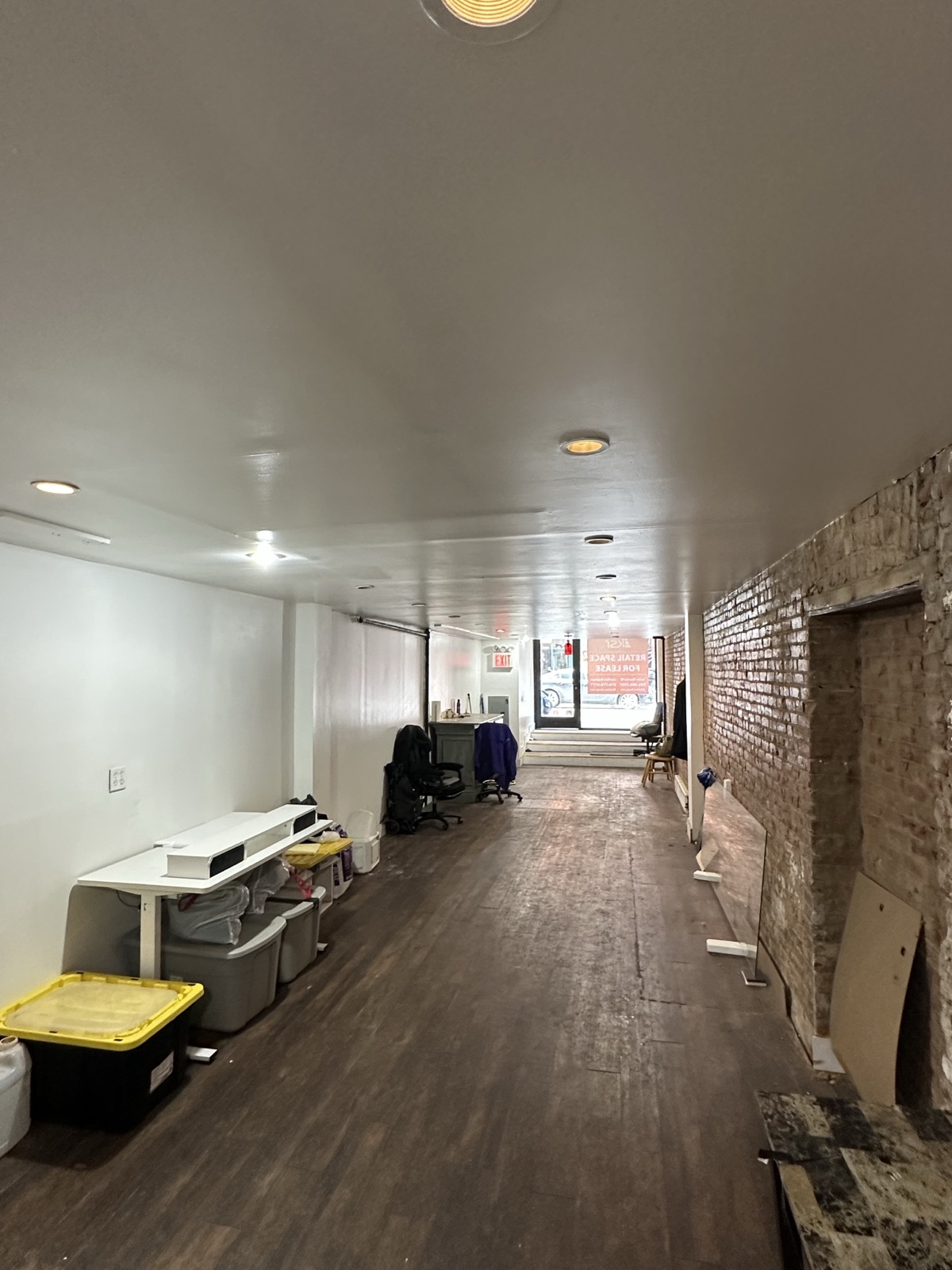
Long interior view of the 84 Clinton Manhattan storefront showing exposed brick, updated flooring, and the front entry.

Why 84 Clinton Matters as a Manhattan Commercial Renovation

The 84 Clinton project in Manhattan is a strong example of what commercial renovation really looks like in older New York storefront buildings. The space has character, location value, and clear business potential, but the photo set also shows the practical construction work needed before a property can fully support a stronger cafe, retail, or hospitality use.

Instead of treating the job as a simple cosmetic refresh, the images point to a broader scope: customer-space improvements, basement utility conditions, electrical service organization, restroom limitations, and rear-yard opportunity. That is exactly the kind of real-world construction evaluation that matters in Manhattan commercial work.
Main Storefront Interior and Customer-Space Potential

The main interior at 84 Clinton is long, narrow, and highly typical of a Manhattan storefront layout. The exposed brick wall gives the space natural character, while the flooring, lighting, and overall room length make it clear that the customer-facing area needed to function well from the front door all the way through the interior.

From the photos, the strongest opportunity in this space is the ability to create a more polished customer experience without losing the raw character of the building. For a cafe buildout in Manhattan, that usually means clean sightlines, durable flooring, improved lighting, and a layout that supports both circulation and service operations.

  • Preserve exposed brick where it adds value
  • Strengthen the entry experience from the sidewalk inward
  • Improve lighting and finish consistency across the full depth of the space
  • Support a layout that works for both guests and staff
Storefront entry view inside the 84 Clinton Manhattan commercial space.

Basement Utility Work Is a Major Part of the Story

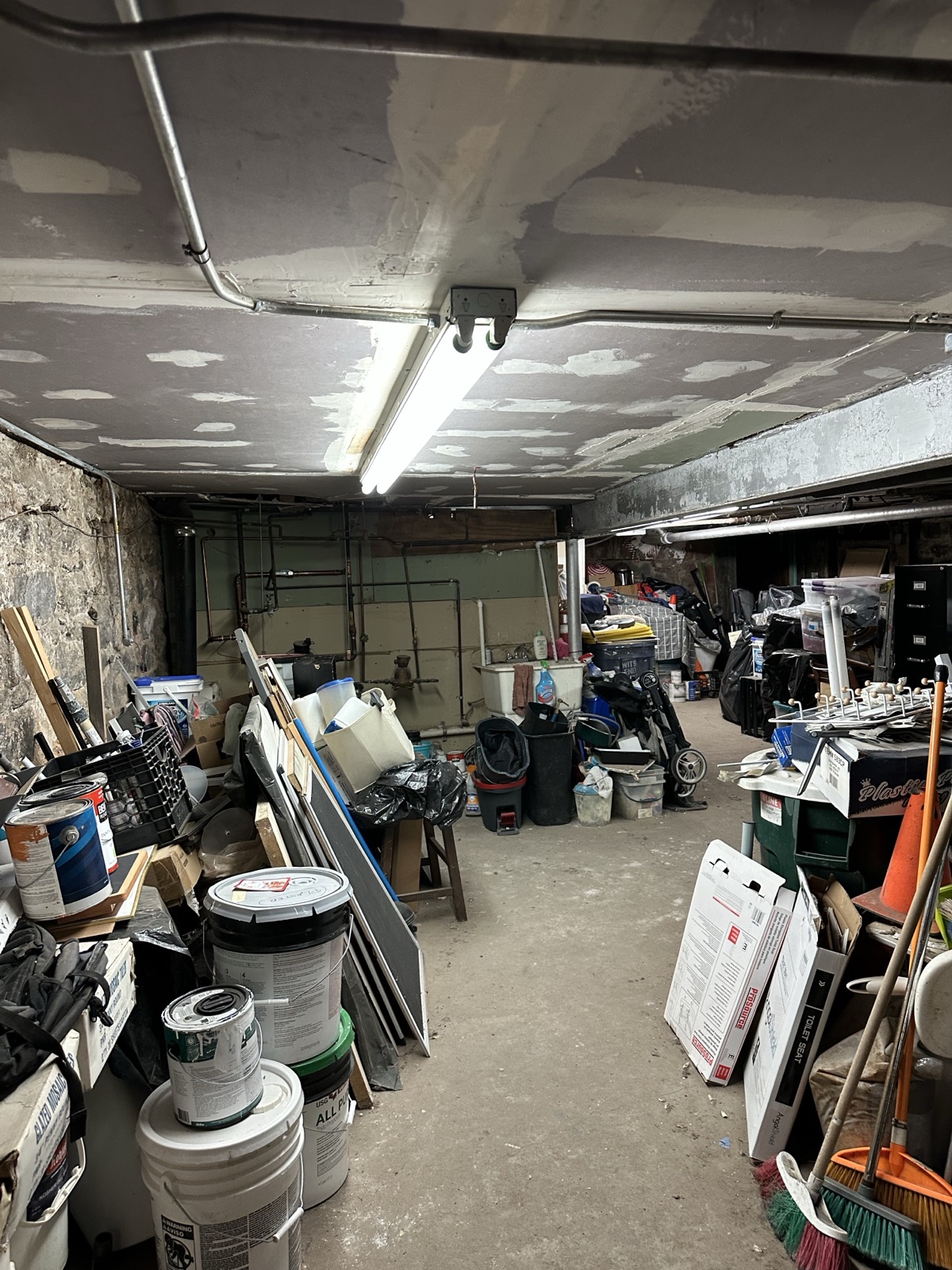
One of the clearest takeaways from the 84 Clinton Manhattan renovation photos is that this project was never just about finishes. The basement images show the kind of utility, storage, and service conditions that often sit underneath older Manhattan commercial spaces. Those areas may be out of sight for customers, but they directly affect how usable and supportable the property is.

For a commercial contractor, that matters because real buildout work often starts below the main floor. Basement access, service organization, plumbing runs, storage constraints, and general cleanup all affect how the upper level can be built and operated.

Utility and service conditions in the basement at 84 Clinton during renovation work.

Electrical Service Improvements in an Older Manhattan Building

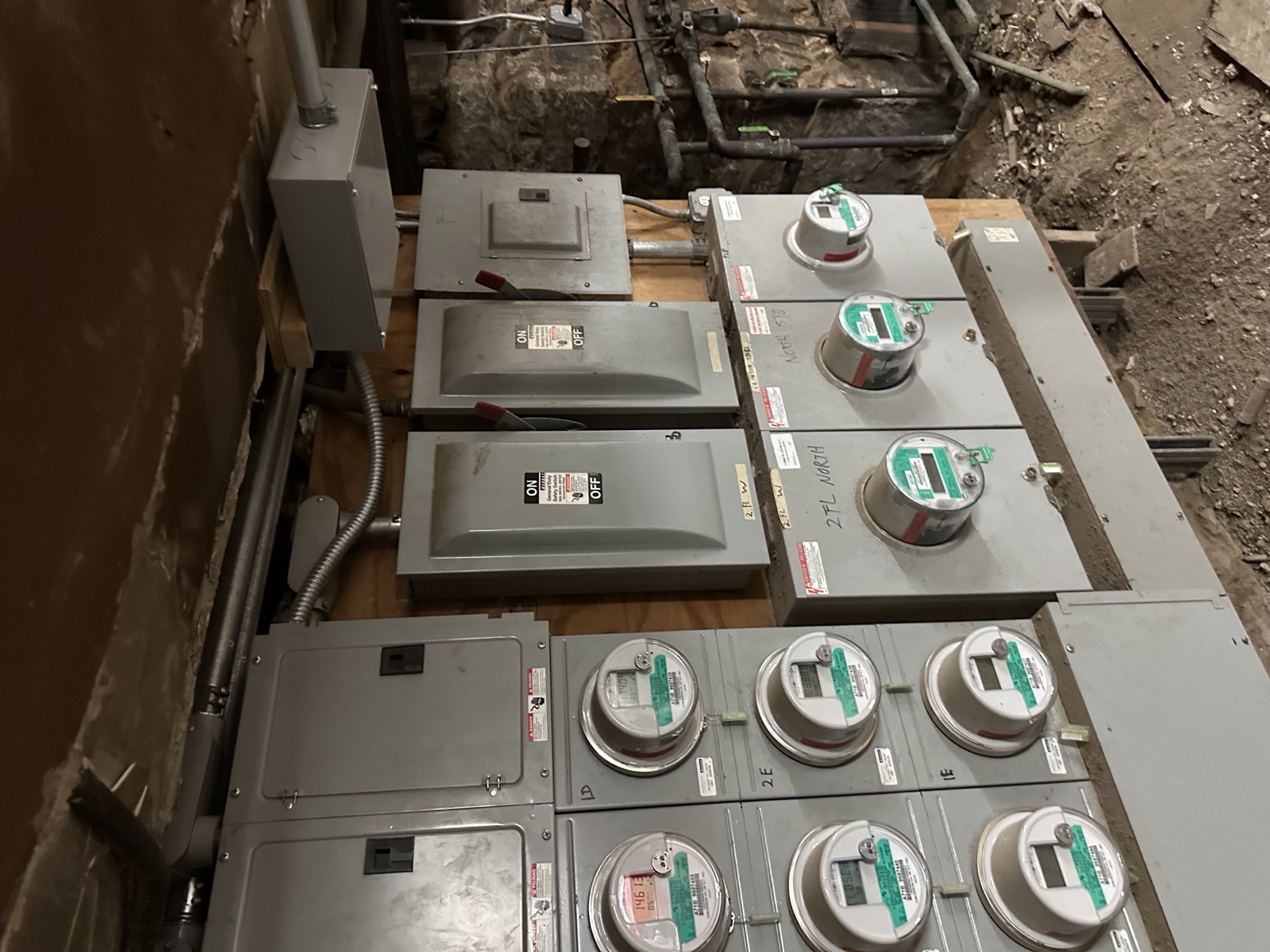
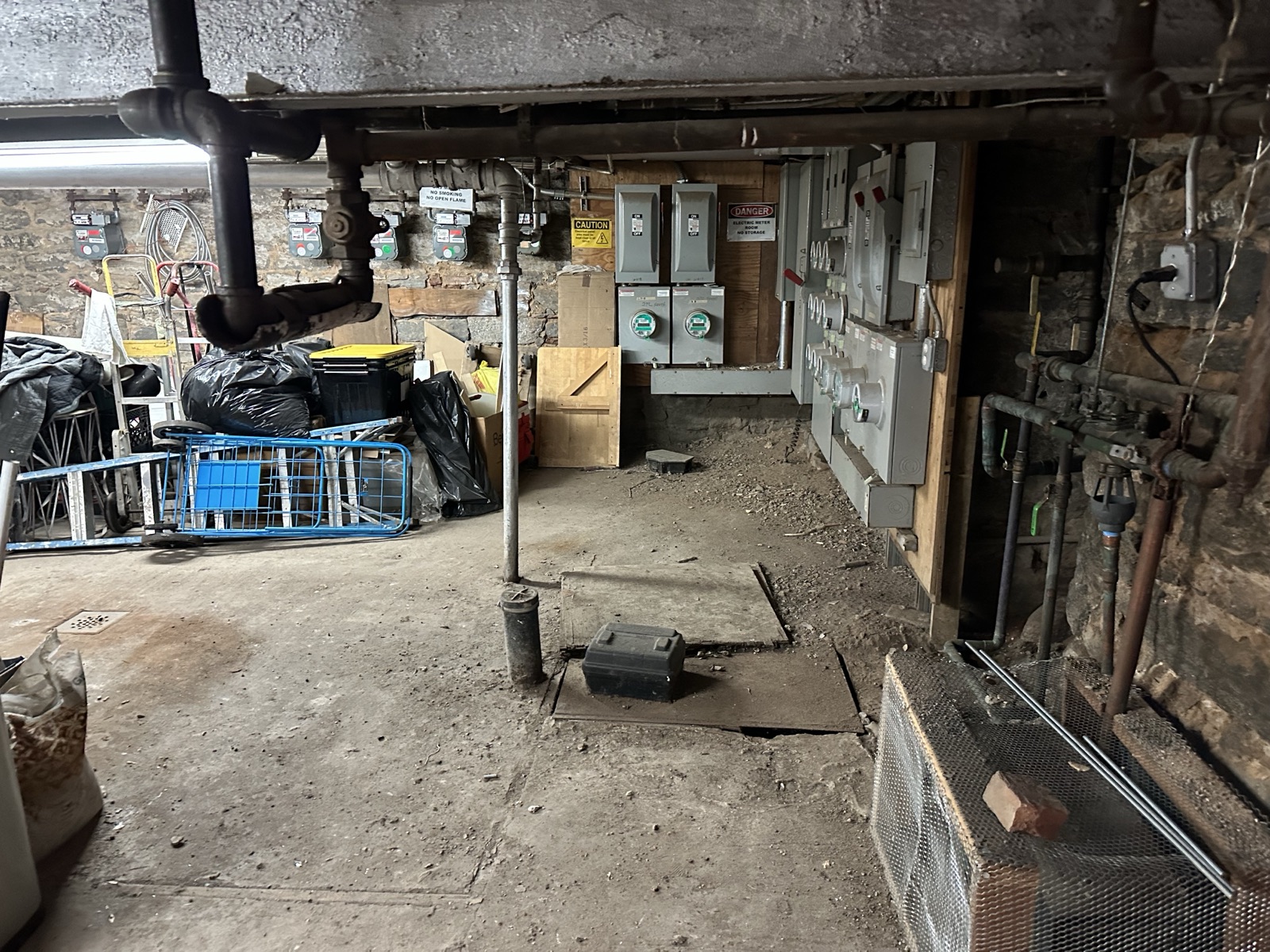
The electrical photos are some of the most important images in the full 84 Clinton set. They show that the project required attention to core service equipment, not just visible design improvements. In older Manhattan buildings, electrical infrastructure can become one of the defining parts of the renovation scope.

For a cafe renovation, restaurant renovation, or retail buildout in Manhattan, electrical planning affects lighting, equipment loads, refrigeration, service counters, small appliances, point-of-sale systems, and overall day-to-day reliability. When the electrical side is not addressed properly, the front-of-house improvements are never enough on their own.

  • Meter and panel coordination
  • Service capacity review for future business use
  • Better infrastructure support for lighting and equipment
  • Cleaner organization for long-term operation and maintenance
Electrical service equipment photographed during renovation at 84 Clinton in Manhattan.

Restroom and Support-Space Conditions Cannot Be Ignored

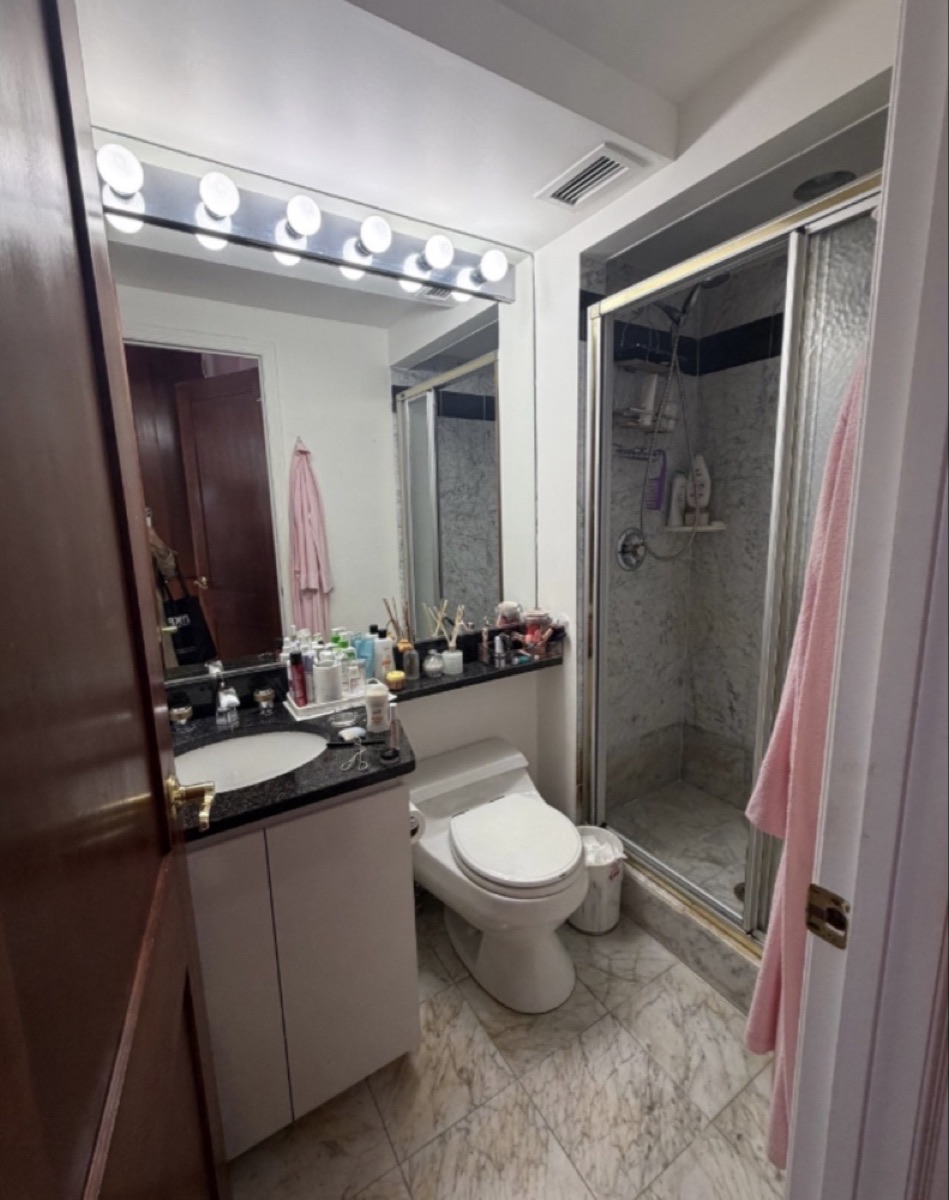
The restroom photos show another reality of commercial renovation in Manhattan: support spaces often need just as much attention as the areas the public sees first. Restrooms, back-of-house rooms, utility zones, and storage spaces all contribute to whether the property ultimately feels business-ready.

At 84 Clinton, the existing restroom condition suggests a need for cleaner finishes, better planning, and a more complete upgrade path. In a cafe or retail environment, these supporting rooms affect usability, maintenance, cleanliness, and how professionally the entire property reads.

Existing restroom condition photographed during the 84 Clinton Manhattan project evaluation.

Rear-Yard Potential Adds Value to the Property

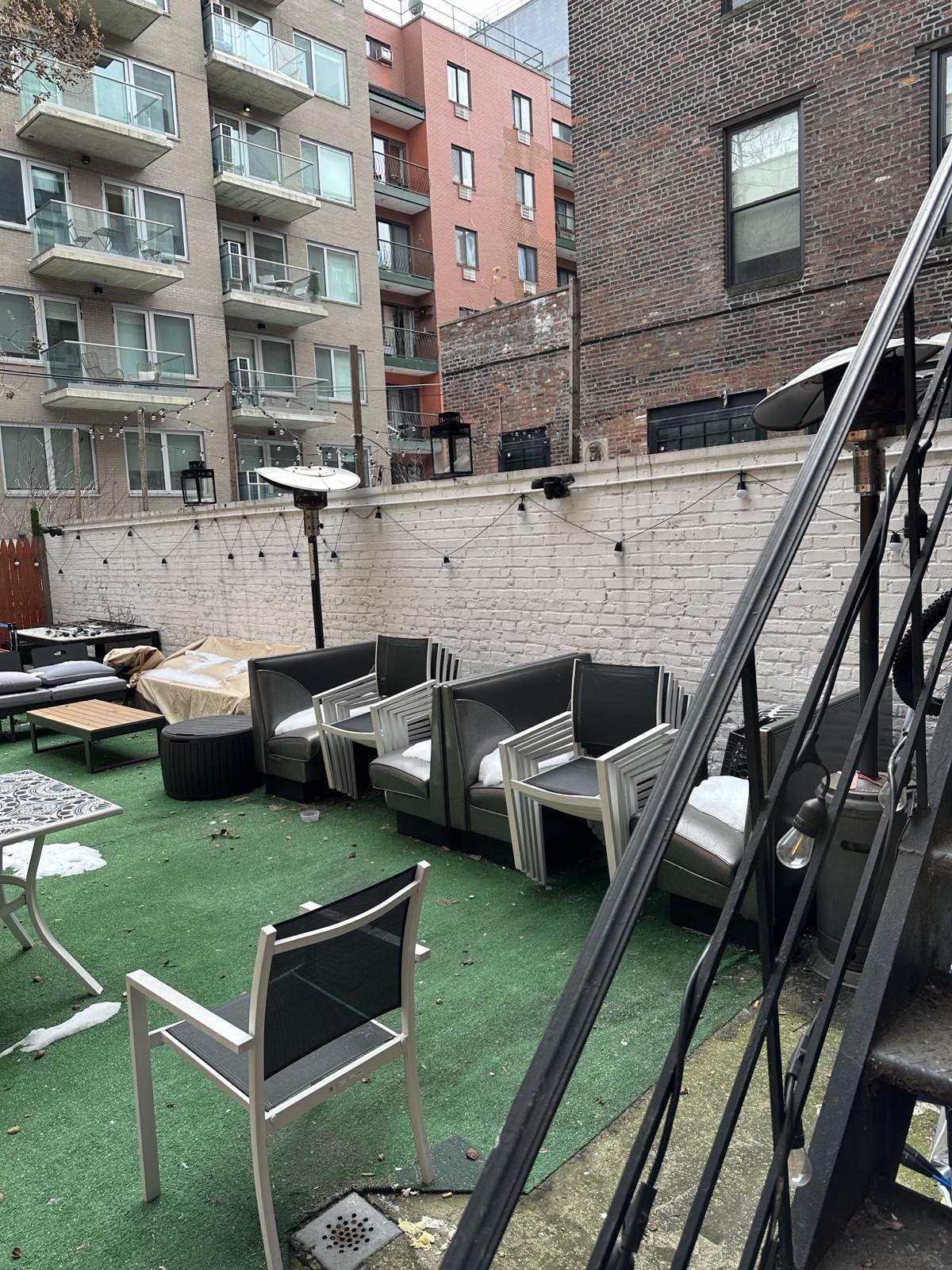
The rear yard at 84 Clinton is another important part of the evaluation. In Manhattan, usable outdoor space can create real value, especially for hospitality, cafe, and customer-serving businesses. Even when it is not the first part of the project to be completed, it can become a meaningful extension of the overall property.

The photo set shows that the yard already has physical usability, but it would benefit from better integration with the rest of the buildout. With the right planning, outdoor areas like this can support seating, overflow, private use, or a stronger customer experience.

Rear yard behind 84 Clinton in Manhattan showing outdoor seating potential.

What This Means for Commercial Renovation in Manhattan

The 84 Clinton Manhattan project is valuable because it shows the difference between a space that only looks promising and a space that is truly being prepared for better use. A commercial renovation like this involves more than fresh finishes. It requires infrastructure work, problem solving, and practical judgment about what the business will need once the space is active.

For owners planning a Manhattan cafe buildout, storefront renovation, or retail renovation, these are exactly the kinds of conditions that should be evaluated early. Strong commercial construction comes from getting the hard parts right first, then building the visible customer experience on top of that foundation.

Project Gallery

Front entry view inside 84 Clinton in Manhattan showing the street-facing storefront and raised entry steps.
Basement utility area at 84 Clinton in Manhattan during commercial renovation work.
Electrical meters and service equipment at 84 Clinton in Manhattan during renovation work.
Existing restroom condition photographed during the 84 Clinton Manhattan commercial renovation project.
Rear yard area at 84 Clinton in Manhattan showing outdoor-use potential behind the commercial space.

FAQs

What type of renovation was being evaluated at 84 Clinton in Manhattan?

The photo set points to a commercial renovation and cafe-style buildout evaluation involving the storefront interior, basement utility areas, electrical service, restroom conditions, and rear-yard potential.

Why is electrical work important in a Manhattan cafe or retail buildout?

Electrical work matters because a commercial space needs dependable service for lighting, equipment, refrigeration, point-of-sale systems, and everyday operations, especially in older Manhattan buildings.

Why do basement and support spaces matter in a commercial renovation?

Basement and support spaces affect utility access, maintenance, storage, service coordination, and the overall functionality of the business, even if customers rarely see them directly.

Request Consultation